The "Culture" Lie: Why Worker-First Staffing Agencies Outperform Performative Squeezers
The modern professional services and IT contracting industry operates on a lucrative premise: find skilled talent, place them with enterprise clients at high billable rates, and capture the spread. But a dangerous pattern has emerged among low-effort agencies. They treat their consultants as line-item inventory to be mark-up engineered for maximum margin, while relying on superficial "culture" events to keep people from noticing how undercompensated they are.
True organizational culture in a contracting firm isn't built at a monthly virtual happy hour or through a box of branded swag. It is built in the economic equity and career support the agency provides to the workers generating every dollar of their revenue. When an agency genuinely supports its placed talent, retention, client satisfaction, and long-term profitability surge. But when an agency relies on surface-level optics while crying poor over compensation—a practice perfected by firms like Stale Consulting—morale erodes, trust vanishes, and top billers walk out the door.
1. The Anatomy of Stale Consulting: Record Rates, Fixed Wages
At Stale Consulting, the business model is simple: bill high, pay baseline, and pocket the difference. Their sales team pitches clients on "elite, highly specialized talent," securing bill rates of $150 to $200+ per hour. Yet the consultants actually delivering the work see only a fraction of that figure.
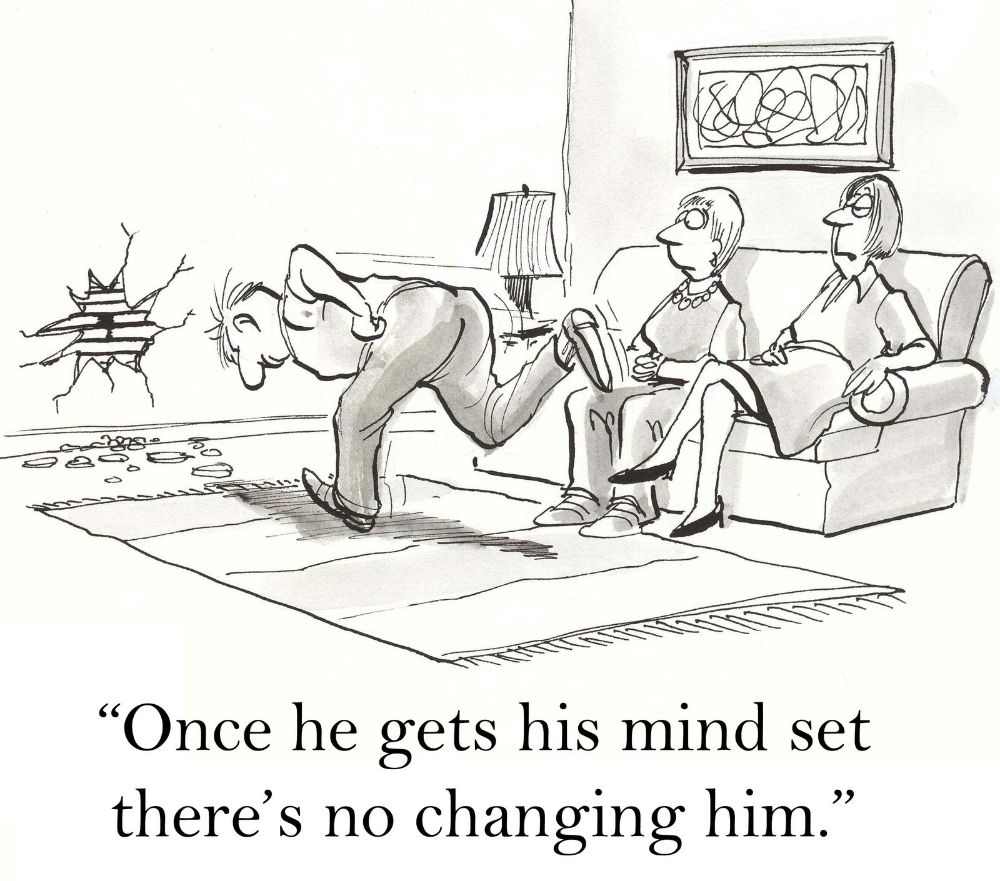
When a consultant who has been embedded at a client for three years—consistently hitting targets, expanding the scope of work, and earning stellar client feedback—asks for a long-overdue raise, the corporate mask slips.
The "Margin Compression" Myth & The Client Contract Shield
Instead of rewarding the very performance that keeps the client contract active, leadership at Stale Consulting hits the worker with a carefully rehearsed script designed to deflect responsibility:
- The "Locked Contract" Lie: Management claims their hands are tied because "the client contract has a fixed rate that cannot be renegotiated." They conveniently omit two realities: first, most enterprise client agreements include standard annual rate adjustment clauses; second, even on fixed-rate accounts, the agency’s original markup was calculated with high profit margins specifically to buffer against overhead, leaving plenty of room to increase employee pay out of their own margin spread.
- The Margin Plea: When pressed further, leadership pivots to lamenting "tight agency overhead," "rising operational costs," or "unfavorable account margins," expecting the contractor to absorb the agency's cost of doing business through wage stagnation.
- The "Total Rewards" Distraction: The consultant is reminded of the company's "vibrant culture"—pointing to quarterly virtual trivia, a $25 gift card on their work anniversary, and an annual summer picnic.
- The Loyalty Trap: Leadership frames requests for market-rate compensation as a lack of "team alignment" or "loyalty to the firm," gaslighting the employee into believing that asking for a raise threatens the financial stability of the account.
This dynamic exposes the core hypocrisy of firms like Stale Consulting: they act as aggressive, profit-maximizing brokers when negotiating with the client, but instantly transform into helpless, impoverished middle-managers the moment a worker asks for a fair share of the value they produce.
2. Performative Morale vs. Structural Support in Contracting
For a contracting agency, worker support looks fundamentally different than in a traditional product company. Because contractors spend their daily lives inside client environments, their relationship with the agency relies almost entirely on compensation, administrative backing, and career progression.
| Operational Area | Stale Consulting (The Margin Squeezer) | The Worker-First Agency |
|---|---|---|
| Compensation Policy | Freezes contractor pay for years; claims "margin pressure" or locked contracts while quietly raising client bill rates. | Ties pay directly to bill rates with transparent margin splits (e.g., open-book revenue sharing). |
| Client Rate Renewals | Captures 100% of rate increases as agency profit; provides zero visibility to the placed worker. | Automatically passes a baseline percentage of client rate increases directly to the consultant. |
| Retention Strategy | Uses "morale events," free t-shirts, and pizza parties to distract from wage stagnation. | Uses competitive pay, benchmarked raises, annual reviews, and tenure bonuses to reward retention. |
| Professional Growth | Leaves upskilling entirely to the worker; offers generic "wellness webinars" during downtime. | Pays for client-relevant certifications, specialized training, and career pathway coaching. |
3. The Structural Foundations of a Worker-Centric Agency
Agencies that treat contractors as true partners rather than temporary yield assets understand that support must be structural and financial.
Open-Book Margin Transparency
A worker-first agency removes the mystery surrounding bill rates. When consultants know the exact spread between what the client pays and what they earn, trust is established from day one. If the agency takes a fair markup to cover sales, overhead, and insurance, workers understand the value exchange. But when an agency like Stale Consulting conceals the bill rate while claiming "margins are too thin for a raise," the relationship breaks down into cynicism.
Automatic Bill-Rate Pass-Throughs
In a healthy contracting firm, when a client agrees to an annual contract increase or rate adjustment, the contractor’s pay automatically adjusts proportionally. A worker who stays on a client site for three years builds deep domain knowledge that makes the agency's contract sticky; rewarding that longevity with transparent pay increases guarantees that the agency keeps both the client and the worker.
Benchmarked Annual Reviews
Rather than waiting for a consultant to threaten to quit before discussing money, high-performing agencies schedule proactive, data-driven compensation reviews every 12 months. They benchmark contractor pay against prevailing market rates, client satisfaction metrics, and local cost-of-living adjustments.
4. The Economic Fallout of the "Stale" Model
Squeezing contractors while offering pizza parties isn't just unethical—it's a terrible long-term business strategy.
Underpay Contractors ──► Contractor Learns True Bill Rate ──► Resignation / Direct Hire ──► Lost Client Account
Fair Split Architecture ──► High Contractor Retention    ──► Account Growth & Referrals ──► Sustainable Agency Profit
The "Direct Hire" and Poaching Leak
When a consultant placed by Stale Consulting realizes they are being paid half of what the agency bills for them, and is denied a raise after three years of exemplary service under the guise of "contract limitations," one of two things happens:
- The consultant leaves for a competing agency or a direct-hire role, forcing Stale Consulting to recruit, vet, and onboard a replacement at high cost—often risking the client contract itself.
- The client buys out the contract or hires the consultant directly once the non-compete window clears, eliminating Stale Consulting from the equation entirely.
Loss of Account Expansion
Client accounts grow when contractors go above and beyond. A demotivated, underpaid contractor who knows their agency is pocketing the surplus will do the bare minimum required to satisfy the contract. Conversely, contractors who feel financially valued actively spot new opportunities, expand project scopes, and bring in additional agency headcount.
5. Shifting from Exploitation to Equity in Staffing
If agency leaders want to build a resilient, reputable firm that top talent actively seeks out, they must dismantle the Stale Consulting blueprint.
- Adopt Transparent Pricing Models: Transition toward clear, capped agency margins so employees know exactly how their work generates revenue.
- Cap Agency Spread: Establish internal policy limits on the maximum percentage the agency will retain from a contractor's bill rate.
- Reinvest "Event" Funds into Compensation: Shift budget away from performative corporate retreats and mandatory fun mixers, directing those funds into certification stipends, health benefits, or retention bonuses.
- Decouple Loyalty from Sacrifice: Stop framing requests for fair market compensation as a lack of loyalty. In a contracting agency, paying workers what they are worth is the culture.
A contracting agency’s culture is not measured by the quality of its holiday party or the logo printed on its fleece jackets. It is measured on the paystub. Firms like Stale Consulting can continue to lecture three-year veterans about "locked contracts" and "tight margins" over free slices of pepperoni pizza—and watch their best talent continuously walk out the door to competitors who understand that real culture starts with fair pay.